

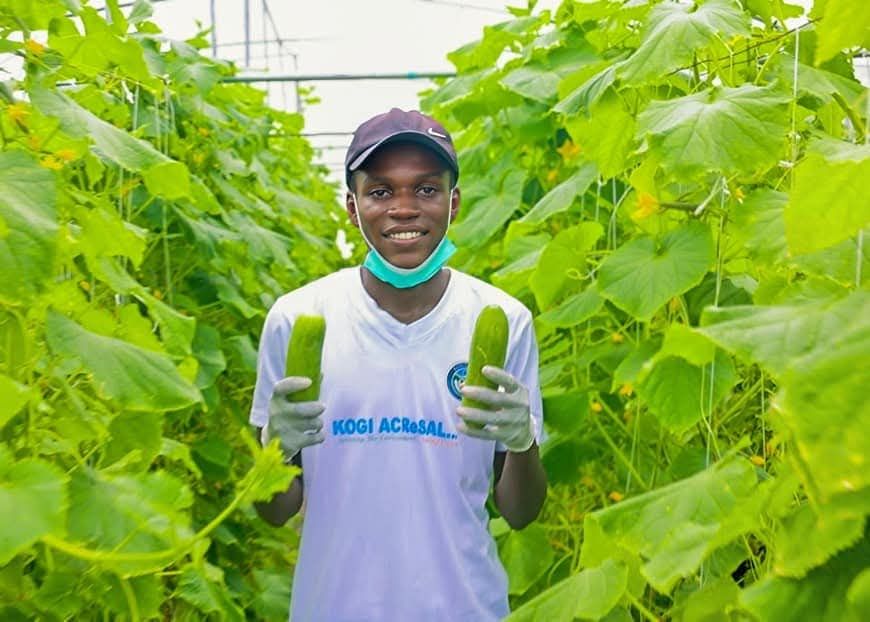
When people talk about job creation in Nigeria, most eyes turn to tech or oil. But the real sleeping giant has been here all along — agriculture. It’s not just about planting and harvesting anymore; it’s about innovation, business, and empowerment. If Nigeria wants to tackle unemployment head-on, agriculture is one of the most powerful tools in the box.
1. The Land of Endless Opportunity
Nigeria has over 80 million hectares of arable land — yet less than half is being used. That’s a massive opportunity just waiting to be unlocked. If more young people tapped into agribusiness — from farming to processing to logistics — we could create millions of jobs across every state. The soil is literally waiting for new ideas.
2. The Rise of Smart Farming
Forget the old-school image of farming. Agriculture today is powered by tech. Drones monitor crops, sensors track soil health, and apps connect farmers to buyers and financiers. Startups like ThriveAgric and FarmCrowdy are helping young Nigerians get into farming without owning land. Digital tools are turning agriculture into a high-tech, high-profit industry.
3. Beyond the Farm — The Value Chain Goldmine
Farming is just one piece of the puzzle. There’s processing, packaging, branding, and distribution — all of which create jobs. Imagine cassava turned into snacks, tomatoes turned into paste, or cocoa turned into chocolate bars. Each stage needs workers, designers, marketers, and transporters. That’s thousands of new opportunities across the chain.
4. Youth Empowerment Through AgriBusiness
Young Nigerians are proving that agriculture isn’t a “village job.” It’s a business frontier. With the right funding and training, youths can turn small farms into scalable enterprises. Agricultural cooperatives, agritech incubators, and microfinance programs are helping young people take charge of their futures — while feeding the nation.
5. Government and Private Sector Partnership
To make agriculture the true antidote to unemployment, collaboration is key. Government must focus on infrastructure — roads, storage, electricity — while the private sector brings innovation and investment. Public-private partnerships can transform rural areas into agro-industrial zones, creating sustainable employment and reducing migration to cities.
6. Export Potential and Global Market Reach
Nigeria’s produce — from yams to palm oil — is in demand across the world. With better processing, packaging, and standards, local farmers can export globally. That means more jobs in export logistics, quality control, and branding. Agriculture isn’t just feeding Nigeria — it can feed the global economy too.
The Bigger Picture
Agriculture is more than food; it’s a system that fuels growth, creates jobs, and builds communities. If Nigeria invests smartly in this sector, unemployment rates could drop sharply within a decade. The future of work might not only be in tech parks — it might be in the fields, factories, and farms that keep the nation alive.